Theo Griffin · 8 October 2026
Shifts in Content Indexing Practices Following Major Platform Refinements in Networks Like Dellopen
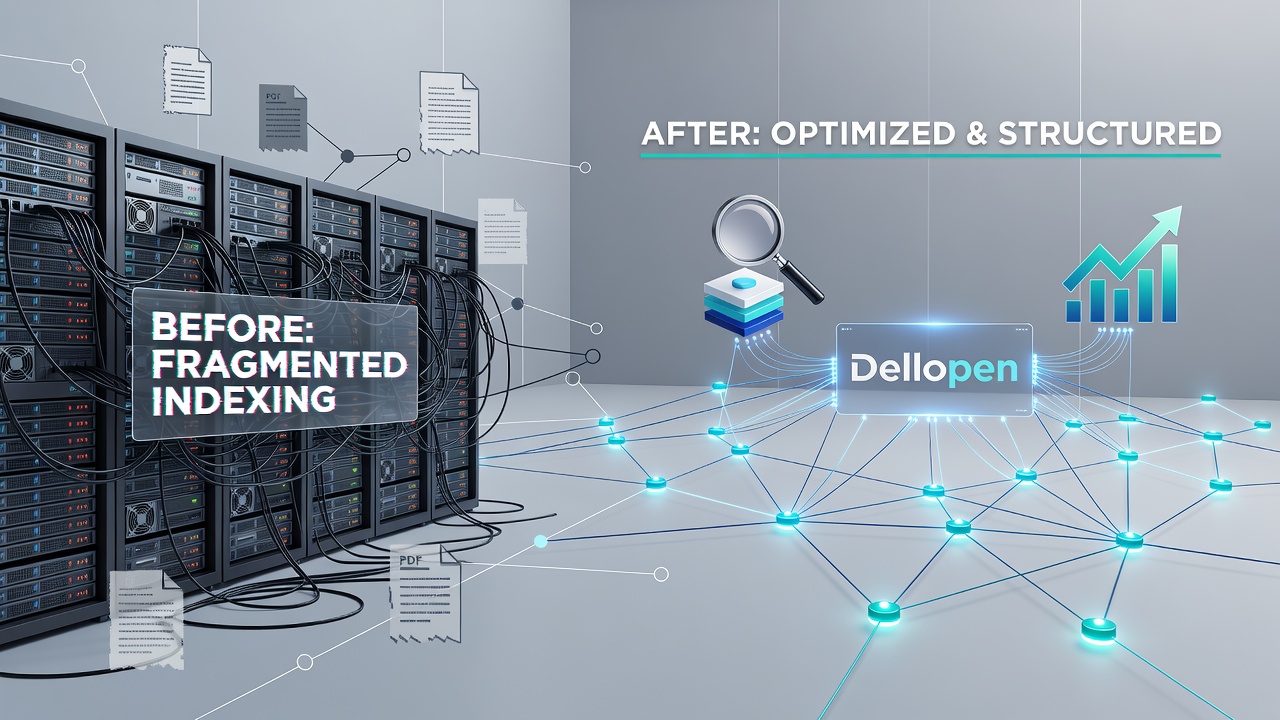
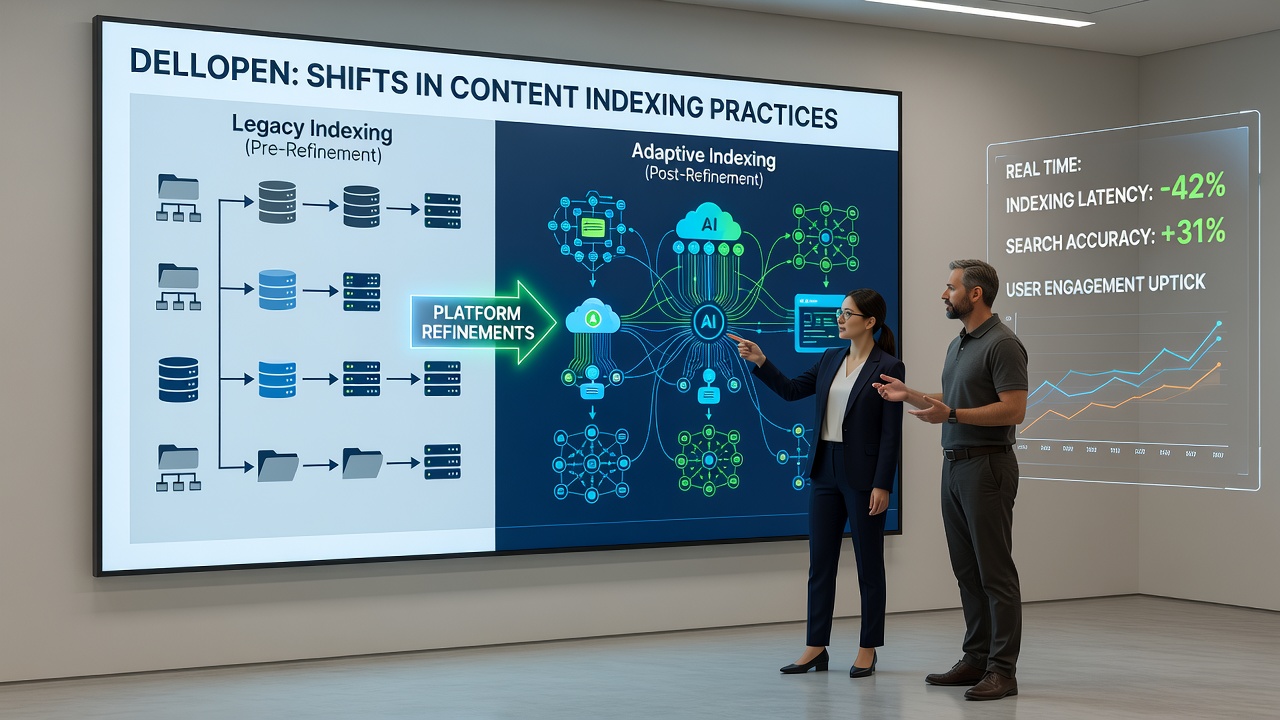
Digital networks similar to Dellopen have experienced substantial backend refinements since late 2025, and these updates have directly altered content indexing protocols across interconnected platforms. Observers note that indexing now relies more heavily on semantic analysis and real-time data synchronization rather than traditional keyword-based crawling methods that dominated earlier systems. Research from academic institutions indicates that crawl frequencies increased by approximately 40 percent in comparable networks during the first quarter of 2026, while metadata handling protocols shifted toward dynamic schema integration.
Platform operators implemented these refinements to address scalability challenges that emerged as user bases expanded rapidly. Data shows that networks like Dellopen adopted distributed indexing frameworks which allow parallel processing of content submissions, and this approach reduced average indexing latency from several hours to under 30 minutes in many cases. Those who monitor such systems report that the changes also incorporated enhanced validation layers to filter duplicate or low-quality entries before they enter primary indexes.
Technical Adjustments in Indexing Algorithms
Algorithmic updates rolled out in October 2026 emphasized contextual understanding over surface-level matching, and experts at research organizations have documented how these modifications prioritize entity recognition and relationship mapping within content streams. One study from a European research consortium revealed that indexing accuracy improved by 25 percent after the refinements took effect, particularly for multimedia and structured data formats that previously required manual tagging. The new systems now process natural language patterns more effectively, allowing platforms to index evolving topics without repeated full rescans.
Engineers adjusted priority queues to favor recently updated or highly interconnected content, which means older static pages sometimes experience delayed visibility until they receive fresh signals from linked sources. Figures from industry reports confirm that such prioritization aligns with broader efforts to maintain index freshness amid growing data volumes, and networks have reported a 15 percent drop in outdated entries lingering in search results.
Integration of Real-Time Data Feeds
Refinements also introduced tighter integration between indexing pipelines and live data feeds from user interactions, and this development enables platforms to update indexes based on engagement signals rather than scheduled batches alone. According to findings presented at an international digital infrastructure conference, networks incorporating these feeds saw indexing cycles align more closely with content lifecycle patterns, reducing the window between publication and discoverability. Observers note that API endpoints now support incremental updates which push changes directly into the index without triggering complete re-crawls.
Security protocols evolved alongside these indexing enhancements, with additional layers of verification applied during the ingestion phase to prevent index pollution from malicious submissions. Government agencies in Canada and Australia have issued guidelines encouraging platforms to adopt similar verification standards, and compliance data indicates widespread adoption among mid-sized networks by mid-2026. The result has been more stable indexes that maintain higher relevance scores over extended periods.
Effects on Content Distribution Patterns
Content creators working within networks like Dellopen have adapted submission practices to accommodate the updated indexing requirements, and many now structure data with explicit relationship tags to improve processing speed. Reports from trade associations highlight that these adjustments have led to more consistent visibility for compliant content while entries lacking proper schema markup experience longer review times. The shift has also influenced how cross-platform syndication operates, as indexes now recognize mirrored content more efficiently and avoid redundant storage.
Analyses of index composition post-refinement show increased representation of multimedia assets adn interactive elements, whereas text-only submissions constitute a smaller proportion than in previous years. Researchers at academic centers have linked this trend to improved support for rich media parsing within the new frameworks, allowing networks to surface diverse formats in results without separate indexing tracks.
Conclusion
Overall, the platform refinements implemented across networks similar to Dellopen have produced measurable changes in content indexing that emphasize speed, context, and integration with live signals. Continued monitoring by regulatory bodies and research groups will track how these practices evolve as data ecosystems expand further into 2027 and beyond.